
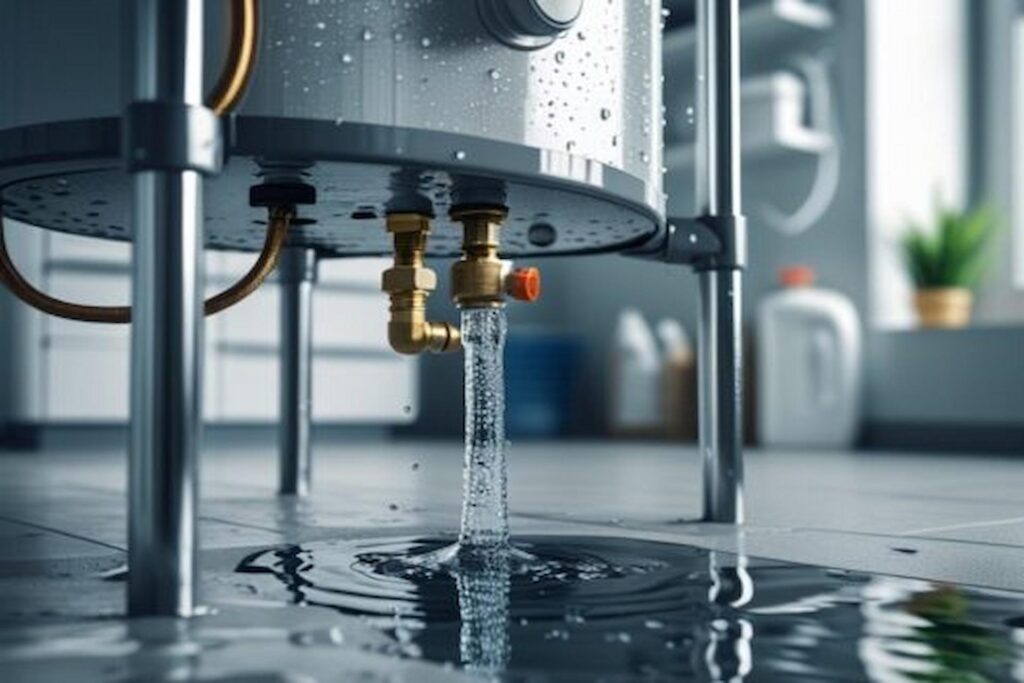

A water heater is one of the hardest-working appliances in your home, quietly supporting daily comfort through hot showers, clean dishes, and laundry. But when you notice water pooling around the top of the tank, it can quickly become a stressful issue. A leak from the top of a water heater often signals a problem that needs prompt attention before it leads to water damage, mold growth, or reduced energy efficiency. Understanding the source of the leak can help homeowners respond quickly and protect both plumbing systems and home comfort.
A leaking water heater from the top is often caused by loose pipe connections, faulty valves, corrosion, or pressure-related issues. While some leaks are minor and easy to address, others may point to larger mechanical concerns that require professional repair or replacement. Identifying the cause early can prevent costly repairs while maintaining safe and efficient hot water performance.
Why Is Your Water Heater Leaking From the Top?
Top leaks are often easier to diagnose than bottom leaks because the source is typically connected to visible components near the tank’s upper section.
Common Top Leak Sources Include:
- Loose cold water inlet connections
- Hot water outlet pipe leaks
- Faulty temperature and pressure (T&P) relief valve
- Corroded pipe fittings
- Condensation mistaken for leaks
- Expansion tank issues
Pinpointing the exact cause is essential before attempting repairs.
Loose Pipe Connections
One of the most common causes of water heater leaks from the top is a loose plumbing connection. Over time, normal vibration, temperature changes, and water pressure fluctuations can weaken fittings.
What to Inspect
Check both the cold water supply line and hot water outlet pipes for moisture, dripping, or visible corrosion around fittings. Tightening loose connections may solve the issue if caught early.
Warning Signs:
- Small drips from pipe joints
- Moisture around threaded fittings
- Rust near connectors
- Intermittent water pooling
If corrosion is severe, replacement parts may be necessary.
Faulty Temperature and Pressure Relief Valve
The T&P relief valve is a safety device that releases excess pressure if tank temperature or internal pressure becomes too high. If this valve leaks, it may indicate pressure imbalance or valve failure.
A leaking water heater near the T&P valve should never be ignored, as pressure issues can affect both safety and appliance lifespan.
Possible Causes of T&P Valve Leaks
- Excessive water pressure
- Overheating
- Mineral buildup
- Valve wear
A plumber can test system pressure and replace faulty valves safely.
Corrosion Around Inlet or Outlet Nipples
Water heaters naturally face wear over time, especially in areas with hard water. Corrosion around inlet and outlet fittings can weaken seals and create leaks.
Signs of Corrosion Damage
- Rust-colored water near fittings
- White mineral deposits
- Visible rust on top of tank
- Persistent moisture
Corrosion often signals aging components and may indicate the need for more extensive maintenance.
Condensation vs. Actual Leaks
Not every moisture issue is a true leak. In humid environments, condensation can form on cooler plumbing surfaces and mimic a water heater problem.
How to Tell the Difference
Condensation is usually light and temporary, while actual leaks create consistent dripping or pooling. Monitoring the moisture source can help distinguish between harmless condensation and plumbing failure.
Immediate Steps to Take if Your Water Heater Is Leaking
Quick action can reduce water damage and improve safety.
What Homeowners Should Do First:
- Turn off power to the unit (gas or electric)
- Shut off the cold water supply
- Inspect visible connections
- Dry the area and monitor for new moisture
- Check the T&P valve
- Call a licensed plumber if the source is unclear
These steps can help minimize damage while you assess the problem.
Preventative Maintenance Tips
Routine maintenance can reduce the risk of leaks while improving energy efficiency and system lifespan.
Smart Water Heater Maintenance Habits:
- Inspect fittings regularly
- Flush the tank annually to remove sediment
- Test the T&P valve
- Check water pressure
- Install a drain pan
- Insulate pipes for energy savings
Preventative care also supports better home efficiency by reducing heat loss and extending appliance performance.
When to Repair vs. Replace
Not every leak requires a full replacement, but age and condition matter.
Repair May Be Best If:
- Leak is from a loose fitting
- Valve replacement solves the issue
- Unit is under 8 years old
- Tank body is intact
Replacement May Be Necessary If:
- Tank corrosion is extensive
- Multiple components are failing
- Unit is over 10–12 years old
- Energy bills are increasing due to poor efficiency
A professional assessment can help determine the most cost-effective solution.
Energy Efficiency and Water Heater Performance
A leaking or aging water heater can waste both water and energy. Upgrading to a newer, energy-efficient model may improve performance while lowering utility costs.
Energy-Saving Options Include:
- Tankless water heaters
- High-efficiency storage tanks
- Pipe insulation
- Smart temperature controls
- Routine flushing
Modern systems often provide better reliability and lower operational costs.
Warning Signs You Should Call a Professional
Some issues require immediate expert attention.
Contact a Plumber If You Notice:
- Persistent leaks after tightening connections
- Rusty water
- Pressure valve discharge
- Corrosion on tank body
- No hot water
- Water damage near the heater
Professional diagnosis can prevent larger plumbing emergencies.
Conclusion
A water heater leaking from the top can stem from loose connections, faulty valves, corrosion, or pressure problems, but early action can prevent major water damage and costly repairs. Identifying the source quickly helps homeowners protect safety, maintain energy efficiency, and preserve home comfort. Regular inspections, preventative maintenance, and prompt professional service are essential for long-term reliability. Whether the solution is a simple repair or a full upgrade, addressing water heater leaks early supports a safer, more efficient, and more comfortable home.