

Introduction
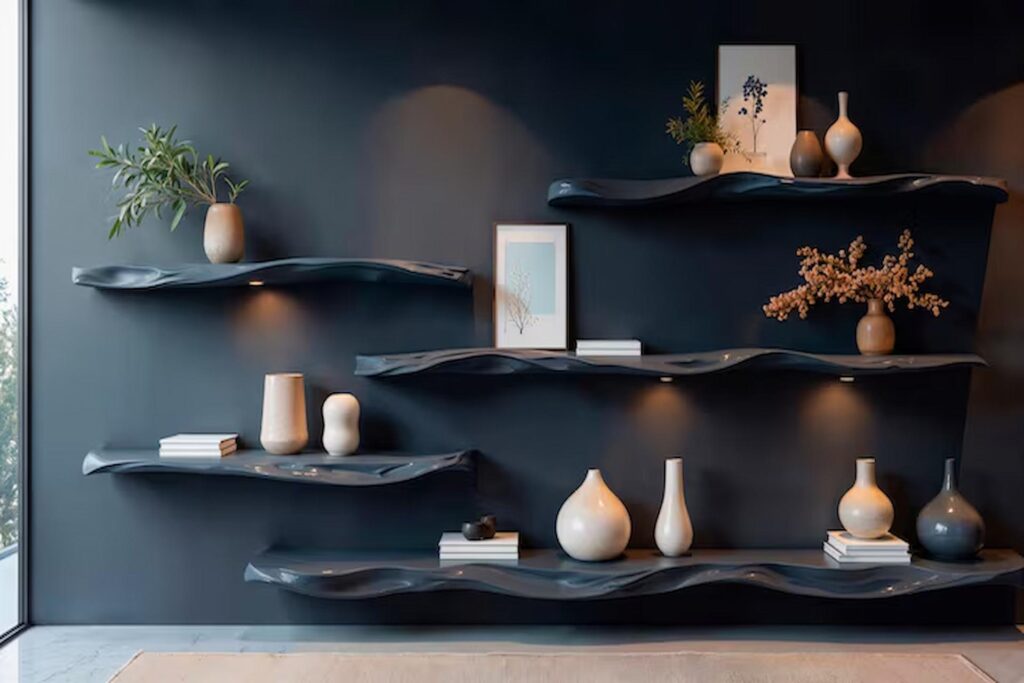
Wall shelves are one of the simplest ways to improve both storage and style without taking up valuable floor space. Whether you live in a compact flat, a busy family home, or a modern apartment, well-designed shelving can make a room feel more organised, open, and personalised. DIY wall shelves are especially popular because they allow homeowners and renters to create custom storage solutions that match their space, budget, and design preferences.
From floating shelves in living rooms to practical kitchen storage and compact corner shelving, these projects combine creativity with everyday functionality. With the right materials and a little planning, DIY shelving can completely change how a room looks and works.
Why DIY Wall Shelves Continue to Be Popular
DIY shelves offer more than basic storage. They help make rooms feel intentional and organized while adding character to otherwise unused walls.
Some of the biggest advantages include:
- Better use of vertical wall space
- Affordable home improvement options
- Custom sizing for awkward spaces
- Easy opportunities to match interior styles
- Flexible storage for books, plants, décor, and essentials
Unlike bulky furniture, wall-mounted shelving keeps rooms feeling open and uncluttered. This makes shelves especially useful in smaller homes, bedrooms, kitchens, and home offices.
Choosing the Right Shelf Style for Your Space
Different rooms benefit from different shelving styles. Choosing the right design helps shelves feel practical rather than overwhelming.
Floating Shelves
Floating shelves are one of the most popular modern shelving ideas because the hidden brackets create a clean, minimalist appearance.
They work especially well for:
- Living room decor displays
- Bathroom storage
- Kitchen spice shelves
- Small office organisation
- Bedroom wall styling
Floating shelves fit naturally into modern, Scandinavian, industrial, and minimalist interiors.
Corner Shelves
Corners are often wasted spaces. Installing corner shelving helps maximize storage in compact rooms without making the area feel crowded.
Corner shelves are ideal for:
- Small apartments
- Bathrooms
- Reading corners
- Home offices
- Hallways
They also create visual balance by softening empty corners.
Reclaimed Wood Shelves
Reclaimed wood shelves add warmth, texture, and personality to interiors. Many homeowners prefer them because they bring a natural, lived-in feel to modern spaces.
Popular pairings include:
- Black metal brackets
- Industrial decor
- Rustic interiors
- Farmhouse kitchens
- Earth-tone colour schemes
Using reclaimed materials can also make DIY projects more sustainable and budget-friendly.
Best Materials for DIY Wall Shelves
The materials you choose affect durability, appearance, and installation difficulty.
Solid Wood
Solid wood remains one of the strongest and most attractive shelving materials. Pine, oak, walnut, and cedar are commonly used because they balance durability with visual appeal.
Solid wood works well for:
- Heavy books
- Decorative displays
- Kitchen storage
- Long-term durability
MDF and Plywood
Medium-density fibreboard (MDF) and plywood are affordable alternatives that are easy to paint and customise.
They are useful for:
- Budget DIY projects
- Painted shelves
- Lightweight storage
- Beginner woodworking projects
Metal and Glass Combinations
For modern interiors, combining metal brackets with glass or slim wood shelves creates a sleek, contemporary look.
This style fits:
- Modern apartments
- Minimalist interiors
- Small office spaces
- Contemporary kitchens
Simple DIY Shelf Installation Tips
Even beginner-friendly shelving projects benefit from careful planning. Proper installation improves both safety and appearance.
Measure Carefully Before Drilling
Accurate measurements prevent uneven shelves and unnecessary wall damage.
Before installation:
- Measure shelf spacing carefully
- Use a spirit level
- Mark stud locations if possible
- Check weight limits for brackets and wall anchors
Use the Correct Wall Anchors
Different wall types require different hardware.
- Drywall may need anchors
- Brick walls require masonry screws
- Stud-mounted shelves provide stronger support
Ignoring proper support is one of the most common DIY shelving mistakes.
Keep Shelf Styling Balanced
Overcrowded shelves can make a room feel cluttered rather than organised.
A balanced shelf arrangement often includes:
- Books
- Small plants
- Framed prints
- Storage baskets
- Decorative objects with varying heights
Leaving some open space improves visual balance and keeps shelves functional.
Room-by-Room DIY Shelf Ideas
Living Room Shelves
Living room shelving can serve both decorative and practical purposes. Floating shelves above sofas, media units, or fireplaces create stylish focal points without requiring large furniture pieces.
Popular uses include:
- Bookshelves
- Plant displays
- Family photographs
- Art and decorative objects
Kitchen Wall Shelves
Open shelving in kitchens helps improve accessibility while adding warmth and personality.
Kitchen shelves are useful for:
- Plates and mugs
- Herbs and spices
- Glass jars
- Cookbooks
- Coffee stations
Wood shelves paired with matte black brackets remain one of the most popular kitchen trends.
Bedroom Shelves
Bedrooms benefit from compact shelving that keeps surfaces clear and organised.
Good options include:
- Bedside floating shelves
- Corner shelving
- Small reading ledges
- Decorative display shelves
These solutions are especially useful in smaller bedrooms where floor space is limited.
Home Office Storage Shelves
Home offices need practical storage that still feels visually calm and organised.
Wall shelves help store:
- Books
- Files
- Office supplies
- Decorative accessories
- Lighting elements
Well-positioned shelving can also improve productivity by reducing desk clutter.
Budget-Friendly DIY Shelf Ideas
DIY shelves do not need expensive materials or advanced tools.
Affordable ideas include:
- Repurposed wood planks
- Pipe shelving systems
- Crate shelves
- Ladder-style shelving
- Basic bracket-and-board combinations
Many stylish shelving projects can be completed over a weekend with simple tools and minimal experience.
Common DIY Shelf Mistakes to Avoid
Some shelving problems are easy to prevent with better planning.
Avoid:
- Overloading shelves
- Using incorrect wall anchors
- Installing shelves too high
- Choosing shelves that are too deep for small rooms
- Ignoring spacing between shelves
Practical design matters just as much as appearance.
Quick Answers
Q1. What wood is best for DIY wall shelves?
Solid woods like pine, oak, and walnut are popular because they are durable, attractive, and suitable for supporting heavier items like books and decor.
Q2. Are floating shelves strong enough for heavy storage?
Floating shelves can support heavy items when installed correctly into wall studs or with strong wall anchors designed for the shelf’s weight capacity.
Q3. How high should wall shelves be installed?
Most shelves should sit at eye level or within comfortable reach. Placement depends on room purpose, ceiling height, and furniture positioning.
Q4. Can renters install DIY wall shelves?
Yes. Renters often use lightweight shelves, removable brackets, or minimal-drill solutions that reduce wall damage while adding practical storage.
Q5. What rooms benefit most from wall shelving?
Living rooms, kitchens, bedrooms, bathrooms, and home offices benefit greatly because shelves improve organisation without taking up floor space.
The Bottom Line
DIY wall shelves remain one of the most effective ways to improve storage, organisation, and interior style without major renovation costs. They offer flexibility for every room, work with nearly every design style, and can be adapted to suit different budgets and skill levels. Whether you prefer minimalist floating shelves, rustic reclaimed wood designs, or compact corner storage, the right shelving project can make a home feel more functional and visually complete. With thoughtful planning, proper installation, and balanced styling, DIY shelves become long-lasting features that improve everyday living while adding genuine personality to a space.