
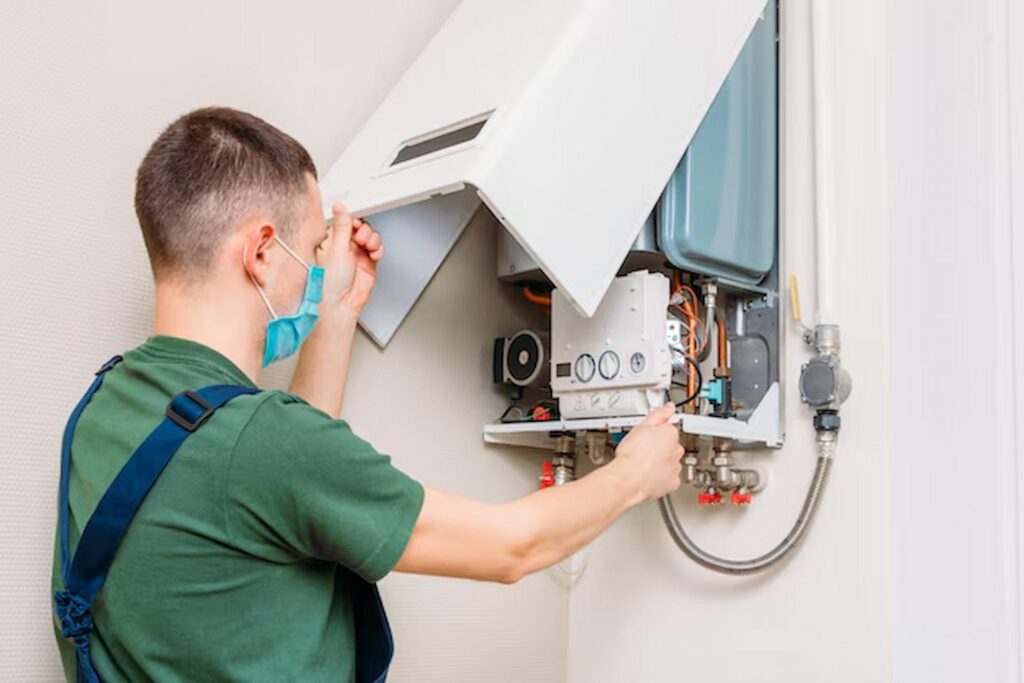

As the colder months approach, few things are more frustrating than discovering your home heating suddenly fails to deliver reliable warmth. A malfunctioning system can turn cosy evenings into chilly ordeals, while unexpected repair bills add to the stress. Understanding the fundamentals of heating system repair helps homeowners spot issues early and address them efficiently, keeping discomfort and costs to a minimum.
Many central heating setups, whether powered by a gas boiler, oil-fired system, or modern heat pump, share common vulnerabilities related to wear, poor maintenance, or component failure. By familiarising yourself with basic troubleshooting and when to seek expert help, you can maintain consistent comfort without unnecessary hassle. This guide covers the essentials in clear, practical terms.
Recognising Early Warning Signs
Heating systems rarely stop working without notice. They often send subtle signals that something requires attention. Ignoring these can lead to complete breakdowns or higher energy consumption.
Strange noises frequently indicate trouble. Kettling— a loud banging or whistling from the boiler—usually points to limescale buildup or restricted water flow. Grinding, squealing, or rumbling from the unit itself may suggest worn bearings, loose parts, or issues with the circulating pump.
Uneven heating across rooms is another red flag. One radiator staying cold while others are hot often means trapped air, sludge in the system, or a failing pump. Fluctuating boiler pressure, visible leaks around the unit, or a sudden spike in energy bills without increased usage all warrant closer inspection.
Other signs include a boiler that fails to ignite reliably, short cycling (turning on and off too frequently), or a yellow pilot flame instead of the healthy steady blue. In some cases, you might notice a faint gas smell or soot around the appliance, both of which demand immediate professional attention for safety reasons.
Common Causes of Heating System Problems
Most heating failures stem from preventable issues rather than sudden catastrophic faults. Understanding the root causes empowers better decision-making.
Age and general wear play a significant role. Boilers and furnaces typically last 10 to 15 years with proper care; beyond that, components such as heat exchangers, valves, and seals degrade. Hard water areas accelerate limescale accumulation, which restricts flow and reduces efficiency.
Poor maintenance ranks high among culprits. Dust-clogged filters, unbled radiators, and neglected annual servicing allow minor problems to escalate. Blocked condensate pipes during freezing weather can also halt operation entirely in modern condensing boilers.
Electrical faults, faulty thermostats, or circulation problems round out the list. A malfunctioning thermostat may prevent the system from responding correctly, while airlocks or sludge buildup in pipes impedes hot water movement.
When to Attempt Simple Fixes Yourself
Not every issue requires calling an engineer straight away. Several straightforward steps can resolve common annoyances safely.
Start with the basics: check and replace air filters regularly, as clogged ones restrict airflow and force the system to work harder. Bleeding radiators to release trapped air is a quick task using a radiator key—start from the top floor and work downwards.
Monitor boiler pressure and top it up via the filling loop if it drops below the recommended level (usually 1–1.5 bar when cold). Ensure vents and registers remain unobstructed by furniture or curtains.
For frozen condensate pipes in winter, gentle thawing with warm cloths (never an open flame) can restore function quickly. Always reset the system and test the thermostat batteries first when nothing seems to respond.
These small actions often restore comfort without cost or delay.
Professional Heating System Repair: What to Expect
When DIY measures fall short or safety concerns arise, professional heating system repair becomes essential. Qualified engineers possess the tools, parts, and expertise to diagnose faults accurately and carry out lasting fixes.
Common repairs include descaling or replacing heat exchangers, repairing or replacing circulation pumps, fixing leaking valves, and addressing electrical control issues. In older systems, they might recommend power-flushing to remove sludge or upgrading inefficient components to improve performance and lower bills.
A competent technician will also perform safety checks, such as testing for carbon monoxide leaks, ensuring flue integrity, and verifying proper combustion. Many repairs can be completed in a single visit, though complex jobs may require parts ordering.
Choosing a Gas Safe registered engineer (in the UK) guarantees compliance with regulations and peace of mind. Reputable professionals explain the problem clearly, provide upfront pricing where possible, and offer advice on preventing recurrence.
Essential Heating System Maintenance Tips
Preventive care dramatically reduces the likelihood of emergency repairs and extends equipment lifespan. Incorporate these practices into your routine:
- Schedule an annual service by a qualified engineer before the heating season begins. This catches minor issues before they escalate.
- Replace or clean filters every one to three months, depending on household dust levels and system type.
- Bleed all radiators at least once a year, or whenever you notice cold spots at the top.
- Check boiler pressure monthly and maintain it within the manufacturer’s recommended range.
- Keep the area around the boiler or furnace clear of clutter to ensure proper ventilation and easy access.
- Monitor energy bills for unexplained increases, which often signal declining efficiency.
- Consider installing a magnetic filter or inhibitor to combat sludge in wet systems.
- Test carbon monoxide and smoke detectors regularly, especially near heating appliances.
These habits require minimal effort yet deliver reliable warmth and lower running costs over time.
Conclusion
Mastering the basics of heating system care transforms potential winter headaches into manageable routines. By recognizing warning signs early, performing simple maintenance, and knowing when to call in professionals for heating system repair, you protect both comfort and budget. A well-maintained system runs more efficiently, lasts longer, and provides dependable warmth precisely when needed.
Investing a little time and attention now pays dividends when temperatures drop. Stay proactive, prioritize safety, and enjoy a warm, hassle-free home throughout the colder months.