

In the quest for a more sustainable and cost-effective home, many homeowners focus on smart thermostats or high-end insulation. While these are valuable, the real “leaks” in your home’s efficiency are often staring you right in the face. Windows and doors are the primary thermal bridges between your cozy interior and the unpredictable elements outside. By upgrading these critical features, you don’t just lower your monthly utility bills; you fundamentally transform the aesthetic appeal and resale value of your property.
The Science of Thermal Performance
When we talk about saving money on heating and cooling, we are essentially discussing reducing heat transfer. During the summer, you want to keep the sweltering humidity out, and during the winter, you want to trap every bit of warmth inside. Investing in energy-efficient windows is one of the most impactful decisions a homeowner can make to achieve this balance. Modern glass technology has evolved significantly, moving beyond simple double-pane setups to include argon gas fills and Low-E (low-emissivity) coatings that reflect infrared light while allowing plenty of natural sunlight.
Understanding U-Factors and Solar Heat Gain
To make an informed choice, you need to look at the ratings. The U-factor measures how well a window prevents heat from escaping, while the Solar Heat Gain Coefficient (SHGC) measures how much solar radiation enters the home. In colder US climates, a low U-factor is a priority. In sun-drenched regions, a lower SHGC is the secret to keeping your air conditioner from running 24/7.
Bridging the Gap Between Function and Fashion
Gone are the days when high-performance meant bulky, industrial-looking frames. Today’s market allows you to prioritize sustainability without sacrificing your home’s character. Whether you own a mid-century modern ranch or a classic colonial, there are frames designed to complement your architecture. Fiberglass and composite materials have become favorites among designers because they offer the slim profiles of steel but with much higher thermal resistance.
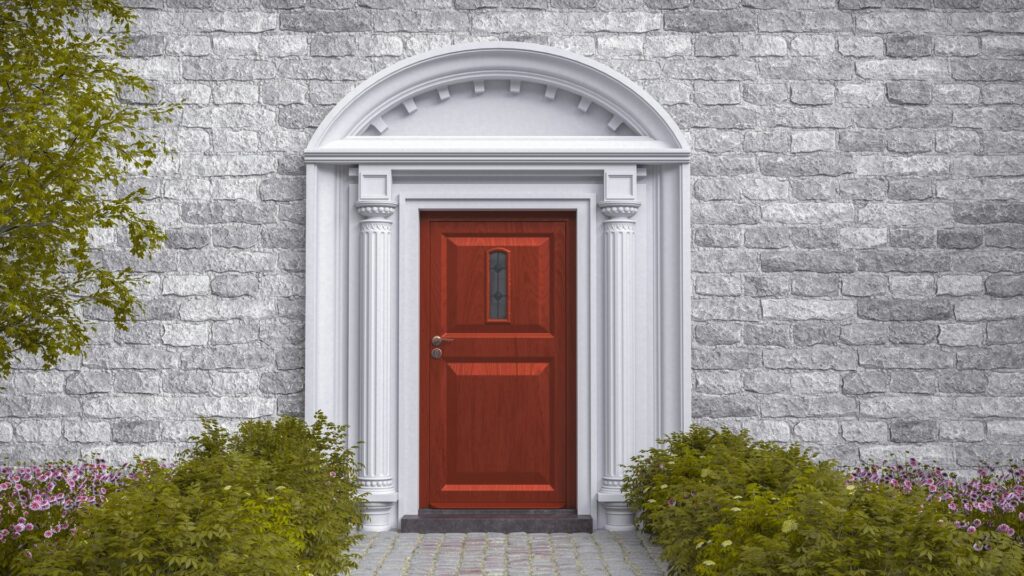
These materials are also incredibly durable, resisting the warping and peeling that often plague traditional wood frames in humid environments. Integrating modern door designs into your entryway serves as the perfect finishing touch. A well-chosen front door acts as a focal point, but when it’s built with a polyurethane foam core and magnetic weather-stripping, it becomes a formidable barrier against energy loss.
Popular Framing Materials for 2026
- Fiberglass: Mimics the look of wood while offering superior stability against expansion and contraction.
- Vinyl: A budget-friendly powerhouse with excellent moisture resistance and multi-chambered frames for air trapping.
- Clad-Wood: Offers the warmth of real wood inside with a protective, low-maintenance aluminum or vinyl shell on the exterior.
Why Quality Installations Matter
Even the most expensive, high-tech window will fail to perform if the installation is subpar. Professional installers ensure that the “rough opening” is properly flashed and sealed. This prevents air infiltration and water damage, which can lead to mold and structural rot. When homeowners look for affordable home upgrades, they often overlook the long-term ROI of professional window and door replacement. While the upfront cost is higher than a DIY patch job, the reduction in energy waste often pays for the project within a few years.
Furthermore, these upgrades contribute to soundproofing. If you live near a busy street or in a bustling neighborhood, the same triple-pane glass that keeps the heat out will also dampen the sound of sirens and lawnmowers, creating a much more serene living environment.
Curating Your Home’s New Look
The trend in 2026 is moving toward “invisible transitions.” Large sliding glass walls and bifold doors are becoming staples in American homes, blurring the line between indoor and outdoor living. These designs use thermally broken frames to ensure that even a massive wall of glass doesn’t become a source of heat loss. By choosing black or charcoal frames, you can create a high-contrast, sophisticated look that highlights the view outside.
Updating your entryways and glass surfaces is a strategic move for any property owner. It addresses the practical need for lower overhead costs while satisfying the desire for a beautiful, contemporary space. By focusing on quality materials and modern technology, you ensure your home remains a comfortable sanctuary for decades to come.
Conclusion
Investing in high-performance glass and reinforced entryways is a dual-purpose strategy for the savvy homeowner. By reducing thermal transfer, you significantly lower your carbon footprint and monthly expenses. Simultaneously, these upgrades provide a fresh, sophisticated aesthetic that boosts curb appeal and interior comfort. Prioritizing high-quality materials and professional installation ensures that your home remains energy-efficient, quiet, and stylish, delivering a substantial return on investment through increased property value and long-term durability.