
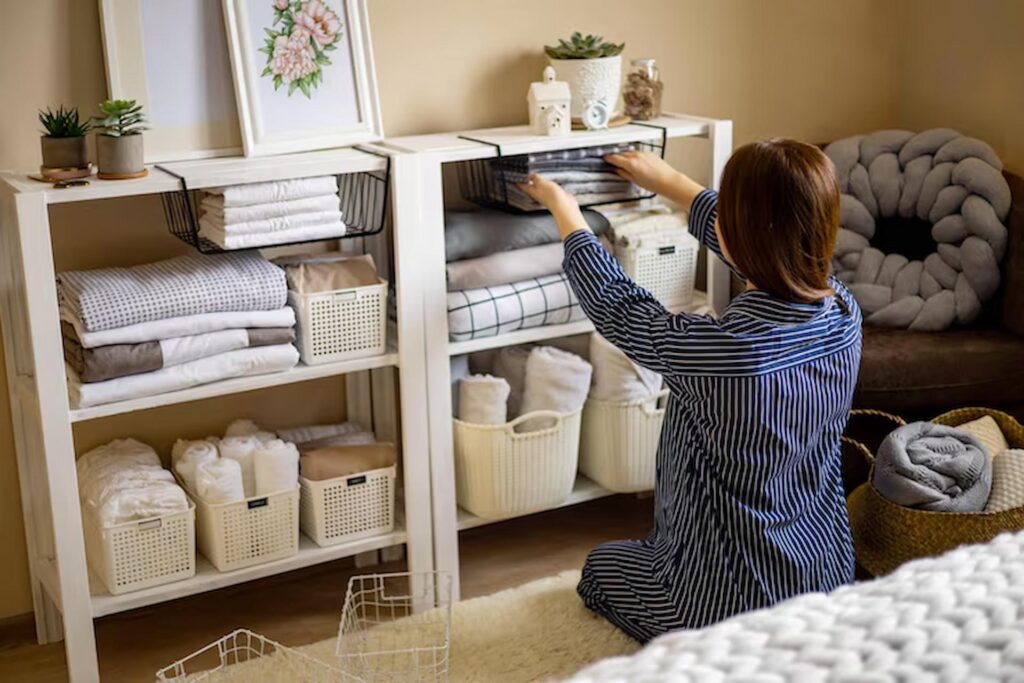

A well-organized home does more than look tidy. It creates a calmer environment, improves daily routines, and makes everyday tasks feel easier to manage. Whether living in a compact flat or a large family home, organized spaces help reduce stress and make it easier to focus, relax, and enjoy daily life.
Many people assume home organization requires expensive storage systems or picture-perfect interiors, but that is rarely true. In reality, the most effective organization methods are practical, simple, and easy to maintain over time. Small changes often make the biggest difference when they fit naturally into daily habits and routines.
Why Home Organization Matters
Clutter affects more than physical space. It can also impact mental clarity, productivity, and overall comfort. When items are difficult to find or rooms feel overcrowded, even simple tasks become frustrating and time-consuming.
An organized home creates:
- Easier daily routines
- Better use of available space
- Less visual stress and distraction
- Faster cleaning and maintenance
- Improved comfort and functionality
Organization is not about perfection. It is about creating systems that make life simpler and more manageable.
Start with Decluttering First
Before adding storage bins or shelving, it helps to remove items that are no longer useful. Decluttering creates more room and prevents unnecessary organization systems from becoming overloaded later.
A simple approach works best. Focus on one area at a time instead of trying to organize the entire home in a single weekend.
Ask practical questions such as:
- Have I used this recently?
- Does this item serve a purpose?
- Would I buy this again today?
- Is it adding value to my space?
Removing unused items creates immediate visual improvement and makes future organization much easier.
Create Functional Storage Systems
Good storage should support daily habits instead of complicating them. The goal is to make frequently used items easy to access while keeping less-used belongings neatly stored away.
Use Vertical Space Wisely
Walls often provide unused storage potential. Floating shelves, hooks, and wall-mounted organizers help free up floor space while keeping essentials accessible.
Vertical storage works especially well in:
- Kitchens
- Bathrooms
- Entryways
- Small bedrooms
- Utility rooms
Tall shelving units can also maximize storage without making a room feel crowded.
Choose Multi-Purpose Furniture
Furniture with built-in storage helps reduce clutter while improving functionality. Storage benches, ottomans, bed frames with drawers, and nesting tables are useful options for smaller homes.
These solutions keep items hidden while maintaining a clean and organized appearance.
Use Clear Containers and Labels
Transparent storage containers make it easier to see what is inside without opening every box. Labels also reduce confusion and help maintain organization over time.
This works particularly well for:
- Pantry items
- Seasonal decorations
- Cleaning supplies
- Children’s toys
- Office materials
Simple systems are usually easier to maintain consistently.
Organizing Room by Room
Different areas of the home require different strategies. Tailoring organization methods to each room creates more effective and realistic results.
Kitchen Organization Tips
The kitchen is one of the busiest spaces in most homes. Efficient organization improves cooking, cleaning, and meal preparation.
Helpful strategies include:
- Group similar items together
- Store everyday dishes near the dishwasher
- Use drawer dividers for utensils
- Keep countertops mostly clear
- Rotate pantry items regularly
Small adjustments often improve workflow significantly.
Bedroom Organization Ideas
Bedrooms should feel calm and relaxing rather than overcrowded. Limiting unnecessary items helps create a more restful environment.
Useful bedroom organization methods include:
- Under-bed storage for seasonal clothing
- Matching hangers to save wardrobe space
- Bedside organizers for essentials
- Drawer dividers for smaller accessories
- Regular clothing clear-outs
A tidy bedroom often improves sleep quality and overall comfort.
Bathroom Storage Solutions
Bathrooms usually have limited storage, so efficient use of space matters.
Simple solutions include:
- Over-the-toilet shelving
- Wall-mounted baskets
- Stackable containers
- Drawer organizers
- Slim rolling carts for narrow spaces
Keeping only daily essentials visible also helps bathrooms feel cleaner and more spacious.
Entryway and Living Room Organisation
Entryways quickly become cluttered because they collect shoes, bags, keys, and outerwear. Creating dedicated storage zones prevents mess from spreading through the home.
Consider adding:
- Shoe racks
- Coat hooks
- Storage benches
- Small trays for keys and wallets
- Baskets for daily essentials
Living rooms also benefit from hidden storage solutions that reduce visible clutter while maintaining comfort and style.
Small Space Organization Strategies
Smaller homes require more intentional organization, but they can still feel spacious and functional with the right approach.
Useful space-saving ideas include:
- Folding furniture
- Hanging organizers
- Door-mounted storage
- Stackable bins
- Furniture with dual purposes
Keeping surfaces clear also helps smaller rooms feel larger and less overwhelming.
Build Organization into Daily Habits
Even the best organization system will struggle without regular maintenance. Small daily habits help keep spaces manageable without requiring constant deep cleaning.
Simple routines include:
- Putting items back immediately after use
- Spending ten minutes tidying each evening
- Sorting mail regularly
- Avoiding impulse purchases
- Donating unused items throughout the year
Consistency matters more than perfection.
Avoid Unrealistic Organization Trends
Social media often presents organizations as flawless and expensive, but practical systems work better in real homes. Organization should support daily life rather than create pressure or unrealistic expectations.
A functional home can still look lived-in and comfortable. The goal is to reduce stress, improve efficiency, and create spaces that feel easier to enjoy and maintain.
Reader Questions
How do I start organizing my home without feeling overwhelmed?
Start with one small area, such as a drawer or shelf. Completing smaller tasks builds momentum and makes the process feel more manageable instead of stressful.
What is the best way to reduce clutter quickly?
Remove items you no longer use or need. Focus on clearing unnecessary belongings before buying new storage products or reorganizing rooms.
How can I organize a small home effectively?
Use vertical storage, multi-purpose furniture, and hidden storage solutions. Keeping surfaces clear also helps small spaces feel larger and less crowded.
How often should I declutter my home?
A light decluttering session every few months helps prevent clutter from building up. Seasonal reviews are also useful for clothing and storage areas.
Why is home organization important for mental well-being?
Organized spaces reduce visual stress and make daily tasks easier. Cleaner environments often improve focus, relaxation, and overall comfort at home.
Key Takeaways
Home organization is ultimately about creating spaces that support everyday living. A cleaner, more functional home can improve productivity, reduce stress, and make routines feel smoother and more manageable. The most effective systems are simple, realistic, and designed around how people actually live.
By decluttering thoughtfully, using practical storage solutions, and building small habits over time, anyone can create a home that feels calmer, more organized, and easier to maintain. Lasting organization does not happen overnight, but steady improvements can make a significant difference in both comfort and daily life.