

A water leak hidden behind drywall can cause serious damage long before it becomes obvious. Moisture seeps into insulation, framing, and flooring while remaining out of sight, often leading to mold growth, structural weakening, and expensive repairs. Catching the problem early gives homeowners a better chance of limiting the harm and avoiding larger issues later.
Subtle changes in your home’s appearance, smell, or water usage often provide the first clues. When those signs appear, acting quickly matters. In many cases, arranging urgent emergency plumbing help can stop the leak before it spreads further and turns a manageable repair into a major restoration project.
Visible Stains and Discoloration on Walls or Ceilings
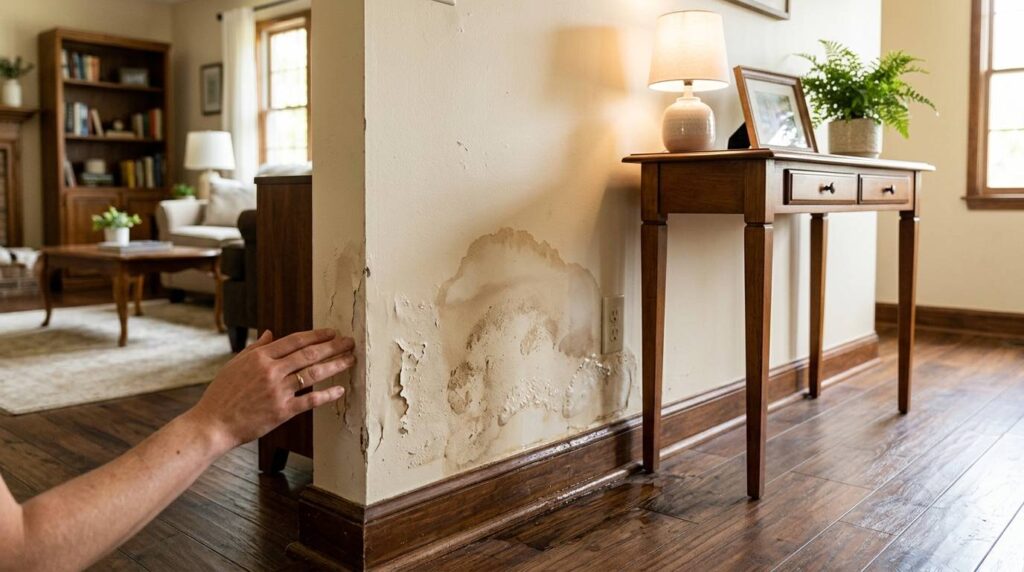
One of the most common indicators of a hidden leak is discoloration on painted or papered surfaces. Yellowish or brownish stains may appear on ceilings or walls, especially near bathrooms, kitchens, or laundry rooms. These marks often start small and expand over time as moisture continues to travel through the wall cavity.
Peeling, bubbling, or cracking paint and wallpaper can also signal moisture trapped underneath. The adhesive loses its grip when exposed to ongoing dampness, causing the surface to lift or wrinkle. In some cases, the drywall itself may feel soft or spongy when pressed gently. These visual changes rarely appear without a reason and deserve prompt attention.
Musty Odors and Signs of Mold
A persistent musty smell in a particular room or hallway can point to moisture accumulating behind the walls. The odor often becomes more noticeable after the heat or air conditioning has been running, as circulating air carries the scent into living spaces. Mold and mildew thrive in dark, damp environments and may begin growing on the back side of drywall or within insulation long before they become visible on the surface.
If mold does appear on the wall face—often as dark spots or fuzzy patches—it usually means the problem has already progressed. Addressing the moisture source remains the priority, since surface cleaning alone will not resolve an ongoing leak.
Unexplained Increases in Water Bills
A sudden or steady rise in water usage without a matching increase in household activity can indicate a leak somewhere in the system. Because water escaping behind a wall does not always pool on the floor, the loss may go unnoticed until the monthly bill arrives. Comparing recent bills with previous ones for the same season can highlight unusual patterns.
Homeowners can also perform a simple check by turning off all water fixtures and observing the water meter. If the meter continues to move, water is escaping somewhere in the plumbing. While this test does not pinpoint the exact location, it confirms that further investigation is needed.
Warped Flooring or Soft Spots Near Walls
Water that travels downward from a leak higher in the wall can affect flooring materials. Hardwood may cup, buckle, or develop dark staining along the baseboards. Vinyl, laminate, or carpet can feel damp or emit a musty odor near the affected wall. In more advanced cases, the floor near the baseboard may feel soft underfoot, signaling that moisture has reached the subfloor.
These symptoms often appear weeks or months after the leak begins, depending on the volume of water and the materials involved. Early detection of wall-related signs can prevent the problem from reaching the floor.
Key Warning Signs to Watch For
Homeowners should remain alert to the following indicators that often accompany a hidden water leak:
- Discolored patches or water stains on walls or ceilings
- Peeling, bubbling, or blistering paint and wallpaper
- Soft or spongy areas when pressing on drywall
- Persistent musty or earthy odors in specific rooms
- Visible mold growth on wall surfaces
- Unexplained increases in monthly water bills
- Warped, stained, or damp flooring near baseboards
- Higher humidity levels in a particular area of the home
Not every sign will appear at once, and some may develop gradually. Paying attention to even one or two of these changes can prompt earlier action.
Listening for Unusual Sounds
In quiet moments, the sound of running or dripping water when no fixtures are in use can reveal a leak. The noise may be faint and intermittent, especially if the leak is small or located deeper within the wall. Listening near bathrooms, kitchens, and utility rooms after the household has settled for the night sometimes makes these sounds easier to detect.
While not every unexplained noise indicates a plumbing issue, consistent dripping or flowing sounds deserve investigation. Combined with visual or olfactory clues, auditory signs strengthen the case for professional assessment.
Checking High-Risk Areas
Certain locations carry a higher likelihood of hidden leaks. Walls surrounding showers, bathtubs, sinks, and washing machines deserve extra scrutiny because of the concentration of supply lines and drain connections. Exterior walls that contain plumbing can also develop leaks related to temperature changes or aging pipes. Attic spaces above bathrooms and kitchens sometimes show staining on the underside of the roof deck or insulation when a leak travels upward through vapor or capillary action.
Inspecting these areas periodically, especially after periods of heavy water use or extreme weather, increases the chance of catching problems while they remain limited in scope.
In Conclusion
Hidden water leaks rarely announce themselves with dramatic flooding. Instead, they reveal their presence through gradual changes stains, odors, rising bills, soft walls, or warped floors. Recognizing these warning signs early allows homeowners to limit damage and address the source before mold, structural issues, or extensive repairs become necessary. Regular observation of walls, ceilings, and water usage patterns forms a practical defense against the quiet harm a concealed leak can cause. When any combination of these indicators appears, timely evaluation remains the most effective way to protect the home and restore normal conditions.