
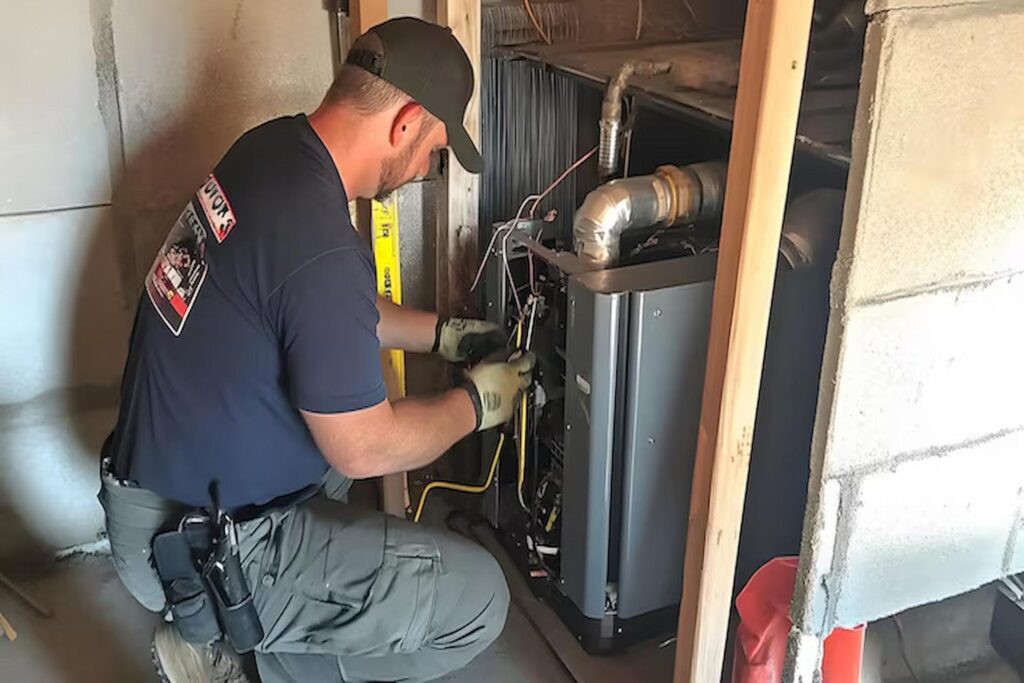

Choosing the right heating system is an important investment for any homeowner looking to improve indoor comfort, energy efficiency, and long-term property value. Before committing to furnace installation services, it is essential to understand the factors that affect heating performance, installation quality, and ongoing maintenance costs. A professionally installed furnace can reduce energy consumption, improve airflow, and provide reliable heating during colder months, while a poorly planned installation may lead to uneven temperatures, frequent repairs, and higher utility bills.
Asking the right questions before installation helps homeowners make informed decisions about furnace size, energy efficiency ratings, ductwork compatibility, warranty coverage, and long-term maintenance requirements. Understanding these details not only protects your investment but also helps create a safer, more comfortable, and energy-efficient home environment.
Is the Furnace the Right Size for the Home?
One of the first questions homeowners should ask is whether the proposed furnace size matches the needs of the property. Bigger is not always better when it comes to heating systems.
An oversized furnace may heat the home too quickly, causing short cycling that wastes energy and increases wear on the system. On the other hand, an undersized furnace may struggle to maintain consistent temperatures during colder weather.
Professional installers typically perform a heating load calculation before recommending a system. This assessment considers factors such as:
- Home size and layout
- Insulation quality
- Window placement and condition
- Ceiling height
- Local climate conditions
A proper calculation ensures the furnace can operate efficiently without unnecessary strain.
What Type of Furnace Is Best?
Not every furnace works the same way, and homeowners should understand the available options before making a decision. Asking about fuel type, efficiency ratings, and system compatibility can help narrow down the best choice.
Common furnace options include gas, electric, and oil systems. Gas furnaces are often preferred because of their heating efficiency and operating costs, while electric models may suit smaller homes or areas without natural gas access.
It is also important to ask about Annual Fuel Utilisation Efficiency (AFUE) ratings. Higher AFUE ratings generally indicate better energy efficiency, which may reduce long-term heating expenses.
A professional installer should explain the advantages and disadvantages of each option rather than pushing a single product without context.
Will Existing Ductwork Support the New Furnace?
Many homeowners overlook the condition of their ductwork during a furnace upgrade. However, even a high-quality furnace can perform poorly if the ducts are damaged, leaking, or incorrectly sized.
Before installation begins, ask whether the existing duct system has been inspected. Poor ductwork can lead to uneven heating, airflow problems, and higher energy consumption.
Questions worth asking include:
- Are there any air leaks in the duct system?
- Is the ductwork properly insulated?
- Will modifications be needed for the new furnace?
- Is airflow balanced throughout the home?
Addressing duct issues during installation often improves overall heating performance and indoor comfort.
What Will the Total Installation Cost Include?
Installation costs can vary significantly depending on labour, equipment, and home requirements. Homeowners should request a detailed estimate that outlines exactly what is included in the quoted price.
Some installations may require additional electrical work, venting updates, thermostat replacements, or duct modifications. Understanding these costs in advance helps avoid unexpected charges later.
A transparent quote should clearly explain:
- Furnace equipment costs
- Labour charges
- Removal of the old system
- Permit fees if required
- Warranty coverage
- Additional upgrades or repairs
Reliable contractors are usually willing to explain each part of the estimate in detail.
Are There Energy-Efficient Features Worth Considering?
Modern furnaces often include advanced features that improve comfort and reduce energy use. Asking about available efficiency upgrades can help homeowners make a smarter long-term investment.
Variable-speed blowers, smart thermostats, and multi-stage heating systems are becoming increasingly common in newer installations. These features allow the furnace to adjust heating output more precisely, which can improve temperature consistency and reduce energy waste.
Although higher-efficiency systems may cost more initially, the long-term savings on energy bills can offset the upfront expense over time.
Discussing efficiency options during installation planning also gives homeowners a clearer understanding of potential operating costs after installation.
What Maintenance Will the Furnace Require?
A new furnace still requires routine care to operate safely and efficiently. Homeowners should ask installers about maintenance expectations before the system is installed.
Regular servicing can extend the lifespan of the furnace, improve heating performance, and reduce the likelihood of unexpected breakdowns. Maintenance requirements often include filter changes, seasonal inspections, and cleaning of internal components.
Important questions include:
- How often should the furnace be serviced?
- Which filters are recommended?
- Are annual inspections necessary?
- What maintenance can homeowners safely perform themselves?
Understanding these responsibilities early makes it easier to keep the system operating reliably year after year.
What Warranty Protection Is Available?
Warranty coverage is another important factor that many homeowners fail to review carefully. Different manufacturers and contractors may offer varying levels of protection for parts and labour.
Before agreeing to installation, ask:
- How long does the manufacturer warranty last?
- Is labour included under warranty?
- What actions could void the warranty?
- Is registration required after installation?
Clear warranty terms provide peace of mind and protect homeowners against unexpected repair costs during the early years of ownership.
How Long Will the Installation Take?
Installation timelines can vary depending on the complexity of the project. Some replacements may take only a single day, while others involving ductwork changes or ventilation upgrades may require additional time.
Homeowners should ask installers for a realistic schedule and discuss any preparation needed before work begins. Understanding the timeline also helps minimise disruption to daily routines.
It is useful to clarify whether technicians will need access to loft spaces, basements, utility rooms, or electrical panels during the installation process.
Is the Contractor Properly Qualified and Insured?
Choosing the right installation company matters just as much as selecting the furnace itself. A poorly installed system can create safety risks, reduce efficiency, and shorten equipment lifespan.
Before hiring a contractor, homeowners should confirm:
- Licensing and certifications
- Insurance coverage
- Experience with similar installations
- Customer reviews or references
- Compliance with local building regulations
Experienced professionals are usually transparent about qualifications and willing to answer technical questions clearly.
Conclusion
A successful furnace installation involves far more than simply replacing an old heating unit. Homeowners should carefully evaluate heating system efficiency, furnace sizing, ductwork condition, installation costs, and maintenance expectations before moving forward with any installation project. Taking the time to ask detailed questions allows homeowners to avoid costly mistakes, improve indoor comfort, and maximise long-term energy savings. Professional heating services can significantly improve heating performance, indoor air quality, and overall home efficiency when handled correctly by experienced technicians.
By understanding the installation process and selecting the right heating solution for the property, homeowners can enjoy dependable warmth, lower operating costs, and greater peace of mind throughout the winter season and beyond.