
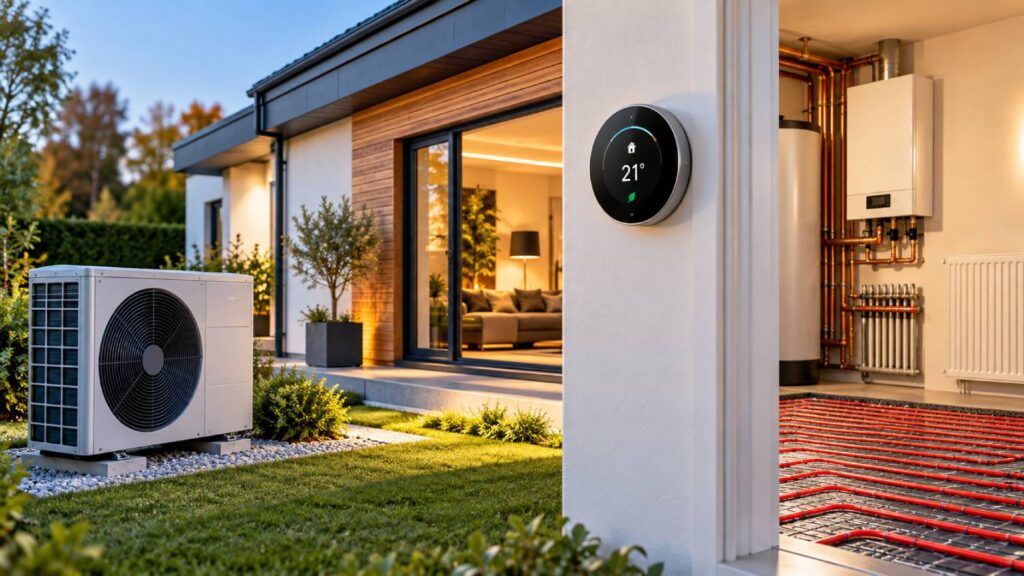

Modern heating systems offer homeowners more options for maintaining a comfortable indoor environment, managing energy use and improving temperature control. From traditional furnaces to heat pumps, the right solution depends on the property’s size, insulation, local climate and existing heating equipment. Understanding these factors can help homeowners make informed decisions when upgrading their systems.
Choosing heating system installation in Sapulpa, OK requires careful consideration of heating requirements, equipment efficiency and installation quality. A suitable system should provide consistent warmth without unnecessary energy consumption. By understanding the available technologies and the importance of professional installation, homeowners can select a heating solution that meets their needs over the long term.
Understanding Modern Heating Systems
Modern heating systems are designed to deliver reliable indoor warmth while offering improved control over temperature and energy use. Common options include gas furnaces, electric heating systems and heat pumps. Each operates differently, so the most appropriate choice depends on fuel availability, household requirements and the property’s existing infrastructure.
A gas furnace generates heat by burning natural gas, while an electric resistance system uses electricity to produce warmth. Heat pumps work differently by transferring heat rather than generating it directly through combustion. When considering heating system installation in Sapulpa, OK, understanding these differences helps homeowners compare operating costs, energy efficiency and suitability before investing in new equipment.
Key Factors to Consider Before Installation
Selecting a heating system involves more than comparing equipment prices. The property’s floor area, ceiling height, insulation, window quality and air leakage all affect its heating requirements. A system that is too small may struggle to maintain comfortable temperatures, while an oversized unit may cycle on and off too frequently.
Before making a decision, homeowners should consider several practical factors:
- Heating capacity: The system should match the property’s calculated heating requirements.
- Energy efficiency: Compare the relevant efficiency ratings for the equipment being considered.
- Operating costs: Consider local energy prices, expected usage and maintenance requirements.
- Existing infrastructure: Check whether ductwork, electrical connections or gas supplies need attention.
The Importance of Professional Installation
Correct installation plays an important role in heating performance, reliability and safety. Professional installers can assess the property, determine suitable equipment capacity and identify any necessary improvements to ductwork or other system components. Proper installation also helps ensure that the equipment operates according to the manufacturer’s requirements.
Homeowners should look for appropriately qualified professionals who can explain the available options, installation process and ongoing maintenance needs. It is also sensible to request a written estimate that identifies the proposed equipment, labour and any additional work, helping prevent misunderstandings about the project’s scope.
Improving Energy Efficiency at Home
Even an efficient heating system may perform poorly if the home loses heat through gaps, poorly insulated walls or draughty windows. Addressing these issues can reduce the amount of heating required to maintain a comfortable indoor temperature. Simple improvements, such as sealing air leaks and checking loft insulation, can support better overall performance.
Thermostat settings and regular maintenance also influence energy use. Homeowners can improve day-to-day efficiency by following practical measures:
- Set the thermostat to a comfortable temperature rather than overheating rooms.
- Replace or clean filters according to the manufacturer’s instructions.
- Keep vents and air returns clear of furniture and other obstructions.
- Arrange inspections and servicing at the recommended intervals.
These steps support efficient operation, although the potential savings depend on the property’s condition, existing equipment and heating habits.
Maintenance and Long-Term Reliability
Routine maintenance helps identify developing problems before they cause more significant disruption. Depending on the system, servicing may include inspecting electrical connections, checking controls, examining ventilation or flue components, and cleaning relevant parts. Gas appliances should receive appropriate professional attention to support safe operation.
Homeowners should also pay attention to warning signs such as unusual noises, inconsistent room temperatures, repeated system shutdowns or unexplained increases in energy bills. These symptoms do not always mean that replacement is necessary, but they justify further investigation. Keeping service records and following the manufacturer’s guidance can help support reliable performance throughout the system’s working life.
Final Thoughts
Modern heating solutions give homeowners several ways to improve indoor comfort and manage energy consumption. Choosing suitable equipment requires consideration of heating capacity, efficiency, property insulation, operating costs and the condition of existing infrastructure. Professional installation and regular maintenance are equally important for dependable performance and safe operation.
Before upgrading a heating system, compare suitable options and seek advice from qualified professionals who can assess your property’s requirements. Combining an appropriately sized system with sensible energy-saving measures can help create a comfortable home while avoiding unnecessary heating costs.