
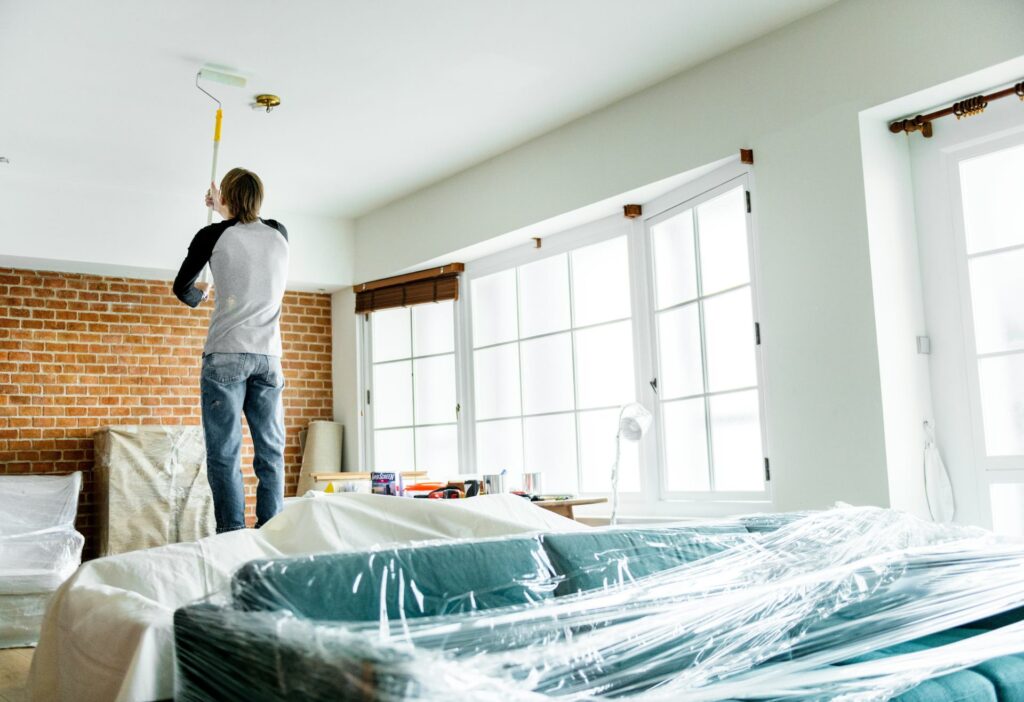

A scuffed wall, a wobbly cabinet door, or a dated light fixture can make even a well-furnished room feel neglected. The good news? Most of these issues are entirely fixable without spending a small fortune. Homeowners who invest in affordable interior repairs not only preserve their property’s value but also transform how they feel in their own space every single day. A few targeted fixes — done right — can deliver results that rival a full renovation at a fraction of the cost.
Start With What You Can See
First impressions inside a home are driven by surfaces. Walls, trim, floors, and fixtures carry most of the visual weight in any room. Cracked caulking around baseboards or window frames, for example, is one of the simplest repairs to tackle — and one of the most visually impactful when done. A tube of paintable caulk, a steady hand, and an afternoon is all it takes to sharpen a room dramatically.
Walls and Paint Touch-Ups
Scuffs, nail holes, and hairline cracks are among the most common interior eyesores. Lightweight spackling compound fills small holes in minutes, dries fast, and sands smooth with minimal effort. For paint touch-ups, always test the color in a small, inconspicuous area before committing. Proper surface preparation — cleaning and light sanding — ensures the new paint bonds evenly and doesn’t look patchy under different lighting conditions.
Trim, Doors, and Hardware
Swapping out dated cabinet knobs, door handles, and drawer pulls is one of the highest-value upgrades a homeowner can make. New hardware is inexpensive, widely available, and requires nothing more than a screwdriver. A kitchen with cohesive brushed brass or matte black pulls looks intentionally designed without the cost of new cabinetry. Don’t overlook interior doors — a squeaky hinge fixed with a few drops of lubricant or tightened screws eliminates daily frustrations and extends the door’s lifespan.
Smart DIY Strategies That Save Real Money
Knowing which repairs to handle yourself is half the battle. The best DIY home fixes are those that deliver visible improvements without requiring professional-level skills or specialized tools. Replacing a broken tile, regrouting a bathroom floor, or patching a section of damaged drywall are all well within reach for a committed homeowner willing to follow clear instructions and take their time.
Flooring Repairs Without Full Replacement
Hardwood floors develop scratches and minor gaps over time, but full refinishing isn’t always necessary. Color-matched wood filler or a wax repair stick can address surface scratches quickly and invisibly. For laminate or vinyl plank flooring, individual planks can often be swapped out if the product is still available — a targeted repair that avoids the disruption and expense of an entire floor replacement.
Key Repairs to Prioritize
- Patch and paint scuffed or cracked walls using spackling compound and color-matched paint for seamless results.
- Re-caulk around windows, baseboards, and bathroom fixtures to eliminate gaps and refresh clean lines.
- Replace outdated cabinet hardware with cohesive knobs and pulls in a modern finish.
- Fix squeaky or sticking doors by tightening hinges or planing edges — no contractor needed.
- Repair individual floor tiles or planks rather than replacing entire surfaces to dramatically cut costs.
- Swap old light fixtures for updated styles to shift the room’s entire mood and visual character.
Elevating Style Through Repairs
Repairs don’t have to just restore — they can upgrade. The most effective, stylish repair solutions approach each fix as a design opportunity. When repainting a wall, consider an accent color that adds depth to the room. When replacing a cracked ceiling medallion, choose a new profile that complements your light fixture. Even regrouting a tile backsplash gives you the chance to switch to a contrasting grout color that makes the tile pattern pop.
Lighting and Window Treatments
Outdated lighting fixtures are among the easiest swaps in interior repair. Replacing a builder-grade flush mount with a semi-flush fixture or a drum pendant instantly changes the character of a room. For windows, a broken blind or a fraying valance is a simple weekend fix — and the replacement is a chance to update your window-treatment style at a modest cost.
End Note: Maintaining Your Interior Style Long-Term
Sustaining a polished home interior isn’t about one big renovation — it’s about consistent, strategic attention to wear and tear. Developing a seasonal repair checklist helps homeowners catch small issues before they become expensive problems. Whether it’s repainting trim every few years, touching up grout annually, or tightening hardware as it loosens, these proactive habits are central to a lasting Interior style that feels intentional rather than reactive.