
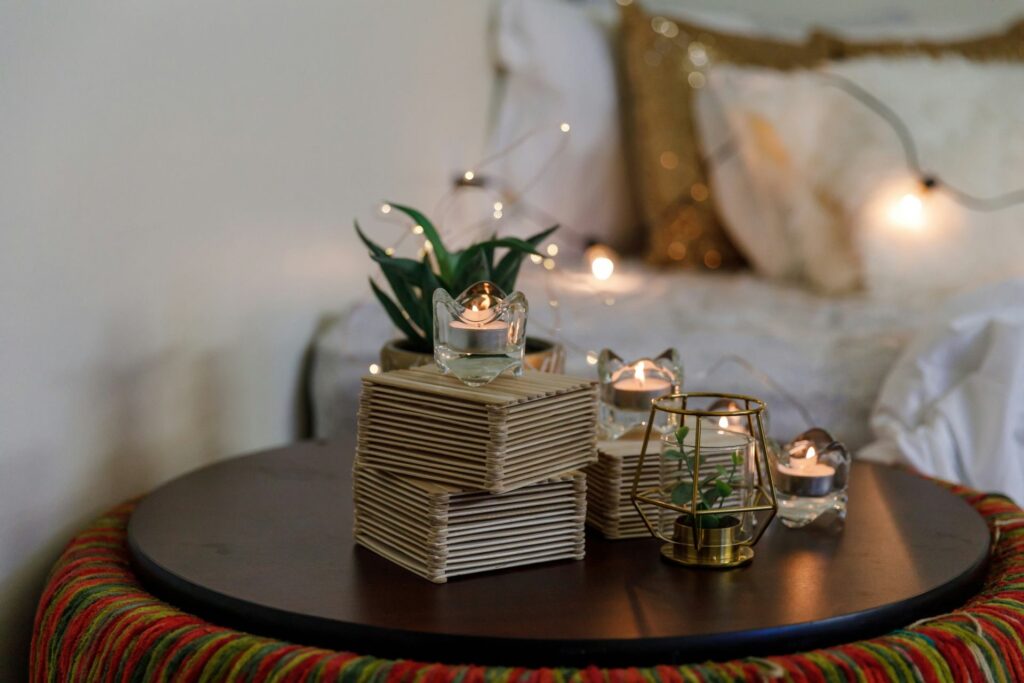

Your home should be your sanctuary, a reflection of your personality and a place where you can truly unwind. However, many people delay home improvements because they believe a beautiful interior requires a massive bank account and a team of professional contractors. The truth is that you don’t need a high-end renovation to make a significant impact. With a bit of creativity and some “elbow grease,” you can overhaul your environment using affordable materials and smart design choices.
The Psychology of Your Surroundings
The spaces we inhabit have a profound effect on our mental well-being. A cluttered, drab room can inadvertently increase cortisol levels, while a bright, personalized space promotes relaxation. Engaging in creative projects is actually one of the most effective stress relief techniques because it shifts your focus from daily pressures to the tangible act of making. By taking control of your aesthetic environment, you are essentially curating a backdrop for a more peaceful and productive life.
Revitalize Your Walls Without Permanent Changes
Walls are the largest visual surface in any room, meaning they offer the biggest opportunity for transformation. If you are renting or simply aren’t ready to commit to a bold paint color, consider removable “peel-and-stick” wallpaper. Modern options come in sophisticated textures like linen or faux brick that look remarkably high-end.
Another budget-friendly hack is the “Gallery Wall 2.0.” Instead of buying expensive art, frame unconventional items. Vintage postcards, fabric scraps with interesting patterns, or even pressed botanical leaves can create a sophisticated, curated look. Use mismatched frames from thrift stores and spray-paint them a uniform matte black or gold for a cohesive, professional finish.
Lighting as a Mood Enhancer
Lighting is often the “forgotten” element of DIY decor, yet it is arguably the most important. Harsh overhead lighting can make a room feel clinical. To fix this on a budget, swap out basic plastic switch plates for decorative ones and add “layers” of light. Use battery-operated LED puck lights inside bookshelves to create an expensive-looking glow.
Upcycling Furniture for a Custom Look
Before you browse furniture catalogs, look at what you already own or what is available at local garage sales. “Upcycling” is the art of giving old items a second life. A tired wooden dresser can be completely transformed with a light sanding, a coat of sage green chalk paint, and some modern brass hardware. This approach is a core part of mindful living ideas, as it encourages us to value and repurpose what we have rather than contributing to the cycle of disposable consumerism.
Small Accents, Big Impact
Sometimes, the most effective changes are the smallest ones. Textures and scents play a huge role in how a room “feels.”
- Swap Your Textiles: Replace heavy, dark curtains with sheer linen to let in natural light.
- The Power of Greenery: Propagate your own indoor plants from cuttings. Pothos or Snake Plants are nearly indestructible and add life to any corner.
- Updated Hardware: Replace standard kitchen cabinet knobs with ceramic or leather pulls for an instant upgrade.
- Mirror Magic: Place a large thrifted mirror opposite a window to double the light and make a small room feel twice as large.
Creating a Functional and Beautiful Sanctuary
A home that looks good should also support a healthy life by being organized and functional. Use baskets and bins to hide “visual clutter” like remote controls or charging cables. When your space is organized, your mind follows suit. DIY decor isn’t just about aesthetics; it is about building a home that supports your daily habits. For example, setting up a small “coffee station” or a dedicated reading nook with a cozy throw blanket can turn a mundane corner into a cherished daily retreat.
Final Touches for Professional Results
To ensure your DIY projects don’t look “homemade” in a negative way, focus on the details. Use painter’s tape for crisp lines, invest in quality brushes, and always apply a sealant to painted furniture. Consistency is key; pick a color palette of three main tones and stick to them throughout the room. This creates a “flow” that makes the space feel intentionally designed rather than randomly assembled.
Transforming your home on a budget is an empowering journey that combines resourcefulness with personal expression. By focusing on lighting, upcycled furniture, and thoughtful wall accents, you can create a high-end look without the high-end price tag. Your living space is a canvas; start small, be patient with the process, and enjoy the satisfaction of seeing your vision come to life. A beautiful, personalized home is well within your reach.
Summary
Redesigning your living space doesn’t require a fortune, only a creative mindset and a willingness to experiment. By prioritizing upcycled furniture, strategic lighting, and personalized wall art, you can achieve a professional aesthetic on a minimal budget. These small, intentional changes do more than just improve your home’s appearance; they create a functional sanctuary that reflects your personality and fosters a sense of peace and pride in your environment.