
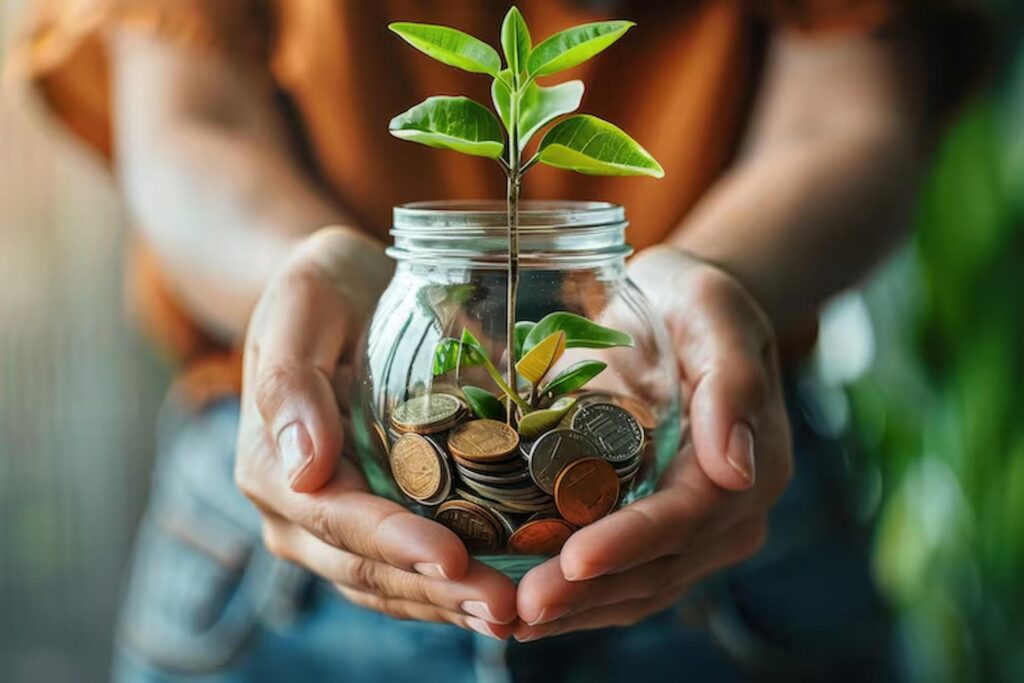

Smart budgeting does not have to feel restrictive or overwhelming. Small daily choices, from meal planning to reducing unnecessary spending, can create lasting financial stability without sacrificing comfort. This guide explores practical, realistic ways to save money, lower household expenses, and build healthier financial habits while still enjoying a balanced and comfortable lifestyle.
Introduction
Managing money wisely does not have to mean giving up comfort, convenience, or the things that make everyday life enjoyable. In reality, budget-friendly living is often less about strict restriction and more about making smarter choices with the resources you already have. Small changes in daily habits can reduce financial pressure, improve long-term stability, and help create a more balanced lifestyle without feeling deprived.
Many people assume saving money requires dramatic lifestyle changes. However, the most sustainable financial habits are usually simple, practical, and easy to maintain over time. From meal planning and reducing energy waste to shopping more intentionally and avoiding unnecessary subscriptions, thoughtful spending habits can make a noticeable difference.
This guide explores realistic ways to save money while still enjoying a comfortable and fulfilling lifestyle.
Understand Where Your Money Goes
One of the most effective ways to improve financial health is to understand spending patterns clearly. Many small purchases feel harmless individually, but together they can quietly drain a monthly budget.
Start by tracking:
- Household bills
- Food expenses
- Transportation costs
- Entertainment spending
- Online subscriptions
- Impulse purchases
Budgeting apps, spreadsheets, or even a simple notebook can help identify where money is being spent unnecessarily. Once spending habits become visible, it becomes easier to make adjustments without feeling overwhelmed.
The goal is not perfection. It is awareness.
Shop With Intention Instead of Impulse
Impulse buying is one of the biggest obstacles to smart money management. Online shopping, targeted advertisements, and constant promotions encourage unnecessary spending every day.
A few practical habits can help reduce impulsive purchases:
Create Shopping Lists
Whether buying groceries, clothes, or household items, having a list helps avoid unnecessary spending and keeps purchases focused on actual needs.
Wait Before Large Purchases
Giving yourself 24 to 48 hours before buying non-essential items often reduces emotional spending. Many purchases lose their urgency after a short pause.
Compare Prices Carefully
Price comparison websites, seasonal sales, and discount codes can significantly reduce costs without lowering quality.
Focus on Long-Term Value
Cheaper products are not always more affordable in the long run. Durable, reliable items often save money by lasting longer and reducing replacement costs.
Reduce Food Costs Without Sacrificing Quality
Food spending is one of the easiest areas to improve because small changes quickly add up over time.
Plan Meals in Advance
Meal planning reduces waste, limits takeaway spending, and makes grocery shopping more efficient. It also helps households avoid last-minute purchases that are often more expensive.
Cook More Meals at Home
Home-cooked meals are usually healthier and far more affordable than dining out regularly. Preparing simple meals in batches can also save time during busy weeks.
Use Leftovers Creatively
Instead of throwing away extra food, reuse ingredients for lunches, soups, salads, or quick dinners. Reducing waste is one of the easiest ways to lower grocery bills.
Buy Seasonal and Store Brands
Seasonal produce and supermarket own-brand products often provide excellent quality at lower prices.
Lower Household Utility Bills
Reducing monthly utility costs does not require major sacrifices. Small energy-saving habits can noticeably lower electricity and water bills over time.
Simple Energy-Saving Habits
- Turn off unused lights and electronics
- Use LED lighting
- Wash clothes in cooler water
- Unplug devices when not in use
- Use natural light during the day
- Adjust heating and cooling efficiently
Smart energy habits not only reduce costs but also improve environmental sustainability.
Avoid Lifestyle Inflation
As income increases, spending often rises automatically. This is known as lifestyle inflation. While improving quality of life is important, constantly upgrading spending habits can prevent long-term financial growth.
Instead of increasing expenses immediately after earning more money:
- Build savings first
- Pay down debt
- Create emergency funds
- Invest in long-term goals
Comfort comes from financial security as much as material purchases.
Make Entertainment More Affordable
Enjoying life does not need to involve expensive habits. Affordable entertainment options can still provide relaxation, social connection, and enjoyment.
Low-Cost Activities That Still Feel Rewarding
- Home movie nights
- Community events
- Public parks and outdoor activities
- Library memberships
- Cooking with friends
- Free online learning courses
- DIY hobbies and creative projects
Balanced spending means enjoying life thoughtfully rather than spending automatically.
Be More Selective With Subscriptions
Streaming platforms, apps, gym memberships, and digital services can quietly consume a large portion of monthly budgets.
Review subscriptions regularly and ask:
- Am I using this consistently?
- Does it genuinely improve my daily life?
- Is there a cheaper alternative?
Cancelling unused services often creates immediate monthly savings without affecting comfort.
Build Emergency Savings Gradually
Unexpected expenses create financial stress quickly when there is no safety net. Even small emergency savings can provide stability during difficult situations.
Saving consistently matters more than saving large amounts immediately.
Simple strategies include:
- Automatic transfers to savings accounts
- Saving spare change digitally
- Setting aside small weekly amounts
- Using cashback rewards wisely
Financial security grows gradually through consistency.
Focus on Financial Habits That Last
Extreme budgeting often fails because it feels restrictive and difficult to maintain. Sustainable money management works best when habits feel realistic and flexible.
The most effective long-term financial strategies are usually simple:
- Spend intentionally
- Avoid unnecessary debt
- Save consistently
- Prioritise needs over trends
- Plan purchases carefully
These habits support both comfort and financial confidence over time.
Reader Questions
Q1. How can I save money without changing my lifestyle completely?
Start with small adjustments like meal planning, reducing unused subscriptions, and lowering energy waste. Minor improvements often create meaningful savings without disrupting daily comfort.
Q2. What is the easiest way to begin budgeting?
Track your spending for one month first. Understanding where money goes makes it easier to create a realistic and manageable budget.
Q3. Does cooking at home really save money?
Yes. Home-cooked meals are usually cheaper than takeaway or restaurant dining and often reduce unnecessary food spending over time.
Q4. How can I lower my electricity bills naturally?
Use LED bulbs, unplug unused devices, improve natural lighting, and manage heating or cooling efficiently to reduce monthly energy costs.
Q5. Why is impulse spending harmful?
Impulse purchases often lead to unnecessary expenses that reduce savings and make budgeting harder to maintain consistently.
Last Words
Budget-friendly living is not about removing joy from everyday life. It is about creating smarter routines that reduce stress, improve financial stability, and support long-term comfort. Small adjustments in spending habits, meal planning, energy use, and shopping decisions can make a significant difference without making life feel restrictive.
Financial wellbeing grows through consistency rather than perfection. Thoughtful choices made every day often have a greater impact than dramatic short-term sacrifices. By focusing on intentional spending, sustainable habits, and practical money-saving strategies, it becomes possible to enjoy a comfortable lifestyle while building stronger financial security for the future.