
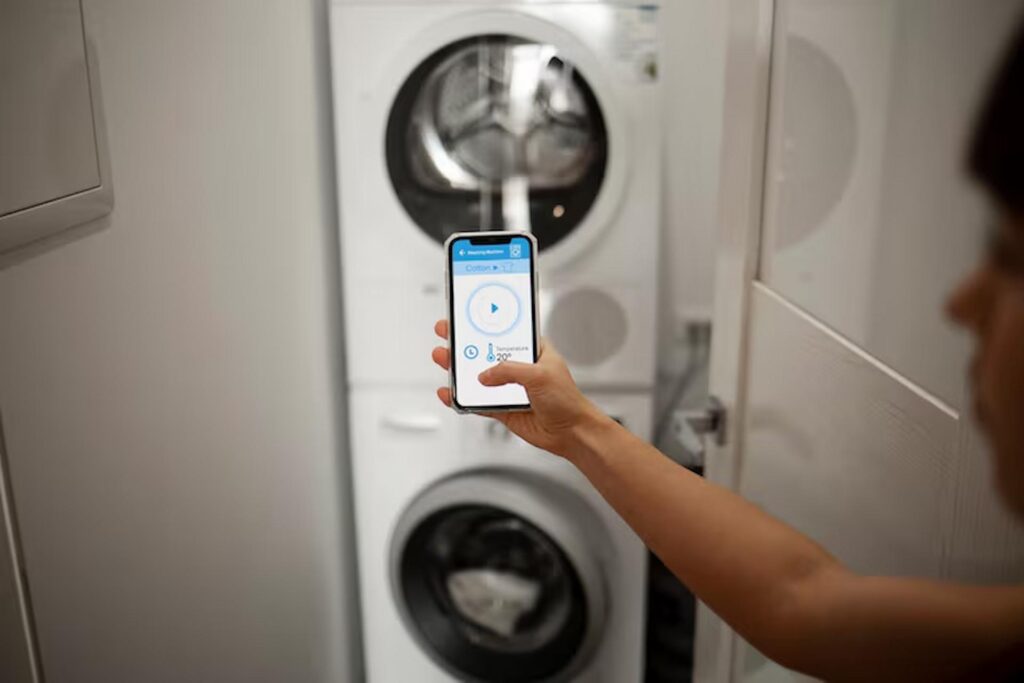

Modern energy-efficient washers do far more than clean clothes. They help households reduce water consumption, lower electricity bills, and create more sustainable daily routines without sacrificing performance. From smart washing technology to practical laundry habits, understanding how these appliances work can lead to long-term savings, improved efficiency, and better care for both fabrics and the environment.
Introduction
Households today are becoming more conscious of both rising utility bills and environmental impact. Washing machines play a major role in everyday energy and water usage, especially in busy homes where laundry is a constant task. As appliance technology continues to improve, energy-efficient washers have become one of the most practical upgrades for reducing household costs without sacrificing performance.
Modern washing machines are designed to clean clothes thoroughly while using far less water and electricity than older models. They also offer smarter features that improve convenience, reduce wear on fabrics, and support more sustainable living habits. For homeowners and renters alike, understanding how these appliances work can lead to better purchasing decisions and lower long-term expenses.
Why Energy Efficient Washers Matter
Traditional washing machines often use large amounts of water and electricity during every cycle. Older top-loading models, in particular, tend to fill the entire drum with water regardless of load size. Over time, this leads to higher utility bills and unnecessary resource consumption.
Energy-efficient washers approach laundry differently. Many use sensors, improved drum movement, and advanced wash cycles to clean clothes more effectively while using fewer resources. This reduces both environmental impact and monthly operating costs.
The benefits often include:
- Lower electricity usage
- Reduced water consumption
- Shorter drying times due to faster spin cycles
- Less wear and tear on clothing
- Quieter operation
- Longer appliance lifespan when properly maintained
For households that run multiple loads every week, these savings can become noticeable over time.
How Modern Energy Efficient Washers Work
Modern washers rely on several technologies that improve efficiency without compromising cleaning quality.
Smart Load Detection
Many machines automatically measure the size of the laundry load and adjust water levels accordingly. This prevents unnecessary water usage and helps reduce energy needed for heating water.
High-Speed Spin Cycles
Efficient washers often spin clothes at higher speeds, removing more moisture before drying begins. Because clothes leave the washer drier, tumble dryers use less energy and complete cycles more quickly.
Improved Drum Design
Modern drum movement is designed to clean fabrics gently but effectively. Instead of relying on excessive water, washers use controlled movement and concentrated detergent distribution to remove dirt.
Eco Wash Settings
Eco cycles are designed to reduce energy and water consumption by using lower temperatures and optimised wash durations. While these cycles may sometimes run longer, they generally use significantly less electricity overall.
Front-Load vs Top-Load Efficiency
When comparing energy-efficient washing machines, front-load models are often considered the most efficient option.
Front-Load Washers
Front-loading washers typically:
- Use less water
- Require less detergent
- Spin faster
- Clean more efficiently
- Reduce drying time
Their design allows clothes to tumble through shallow water rather than being fully submerged.
High-Efficiency Top-Load Washers
Modern high-efficiency top-loaders have improved considerably compared to older models. They use less water than traditional machines and often provide larger capacities.
Some households prefer top-load washers because they are easier to load and may feel more familiar to use.
The best option usually depends on budget, space, laundry habits, and personal preference.
Choosing the Right Energy Efficient Washer
Not all efficient washers perform the same way. Looking beyond marketing claims can help buyers make smarter decisions.
Check Energy Ratings
Energy certification labels provide valuable information about expected electricity and water usage. Higher-rated appliances may cost more initially but often deliver greater long-term savings.
Consider Capacity Carefully
Larger machines are not always better. Choosing a washer that matches household size prevents wasted water and electricity from running oversized loads.
A small household may benefit from a compact machine, while larger families may need higher-capacity models to reduce the number of weekly cycles.
Look for Useful Features
Some features improve genuine efficiency and convenience, including:
- Delay start timers
- Load sensing technology
- Steam cleaning functions
- Quick wash cycles
- Automatic detergent dispensing
Avoid paying extra for features that may never be used regularly.
Laundry Habits That Improve Efficiency
Even the most efficient washer can waste energy if used poorly. Small changes in laundry habits can make a significant difference.
Wash Full Loads When Possible
Running half-empty loads increases water and electricity use unnecessarily. Waiting until there is enough laundry for a full cycle improves overall efficiency.
Use Cold Water More Often
Heating water accounts for a large portion of washing machine energy consumption. Modern detergents clean effectively in cold water, making lower temperatures a practical option for most everyday laundry.
Avoid Overusing Detergent
Excess detergent can leave residue inside the machine and reduce cleaning performance. High-efficiency washers usually require much smaller detergent amounts than older machines.
Choose the Right Cycle
Heavy-duty cycles use more water and energy. Using standard or eco settings for lightly soiled clothes helps reduce unnecessary consumption.
Maintenance Tips for Better Performance
Proper maintenance helps energy-efficient washers remain effective for many years.
Clean the Machine Regularly
Residue from detergent, fabric softener, and moisture can build up over time. Running cleaning cycles and wiping seals regularly helps prevent mould and odours.
Inspect Hoses and Filters
Blocked filters or damaged hoses can reduce performance and increase water waste. Checking these components periodically helps maintain efficiency.
Leave the Door Open After Use
Allowing airflow inside the drum helps reduce moisture buildup and prevents unpleasant smells.
Avoid Overloading
Overloading places strain on the motor and reduces cleaning effectiveness. Clothes need space to move freely during the cycle.
Long-Term Savings and Environmental Benefits
Energy-efficient washers may have a higher purchase price initially, but the long-term savings can offset the cost over time.
Reduced electricity and water usage lower monthly utility bills while decreasing household environmental impact. Less water consumption also supports broader sustainability efforts, especially in areas facing water shortages or increasing utility costs.
Efficient appliances can also help reduce carbon emissions associated with household energy use. For environmentally conscious households, these benefits add another layer of value beyond financial savings.
Are Smart Washers Worth It?
Many modern washers now include smart technology features such as mobile app controls, cycle notifications, and usage monitoring.
For some households, these features improve convenience and help track energy usage more effectively. Others may prefer simpler machines with fewer digital components.
Smart features are most useful when they support practical efficiency rather than adding unnecessary complexity.
Final Thoughts
Energy-efficient washers offer a practical way to reduce household utility costs while supporting more sustainable daily routines. Modern machines use advanced technology to clean clothes effectively with less water and electricity, making them a valuable long-term investment for many homes.
The greatest benefits come from combining efficient appliances with smart laundry habits and regular maintenance. Simple choices such as using cold water, running full loads, and selecting appropriate wash settings can significantly improve overall performance and savings.
As energy costs continue to rise, energy-efficient washers provide a realistic and accessible solution for households looking to lower expenses, reduce waste, and create more environmentally responsible living habits without compromising convenience or cleaning quality.
Common Questions
1. Do energy-efficient washers really save money?
Yes. Energy-efficient washers reduce electricity and water consumption, which lowers monthly utility bills over time. Savings become more noticeable in households with frequent laundry use.
2. Are front-load washers more efficient than top-load washers?
Front-load washers are generally more efficient because they use less water and spin clothes faster, reducing drying time and overall energy consumption.
3. Is washing clothes in cold water effective?
Yes. Modern detergents are designed to work effectively in cold water, making it suitable for most everyday laundry while reducing energy usage.
4. How long do energy-efficient washers last?
Most energy-efficient washers last around 10 to 15 years when properly maintained and used according to manufacturer recommendations.
5. Do energy-efficient washers clean clothes properly?
Yes. Modern efficient washers use advanced drum movement, sensors, and wash cycles to clean clothes thoroughly while using fewer resources.