
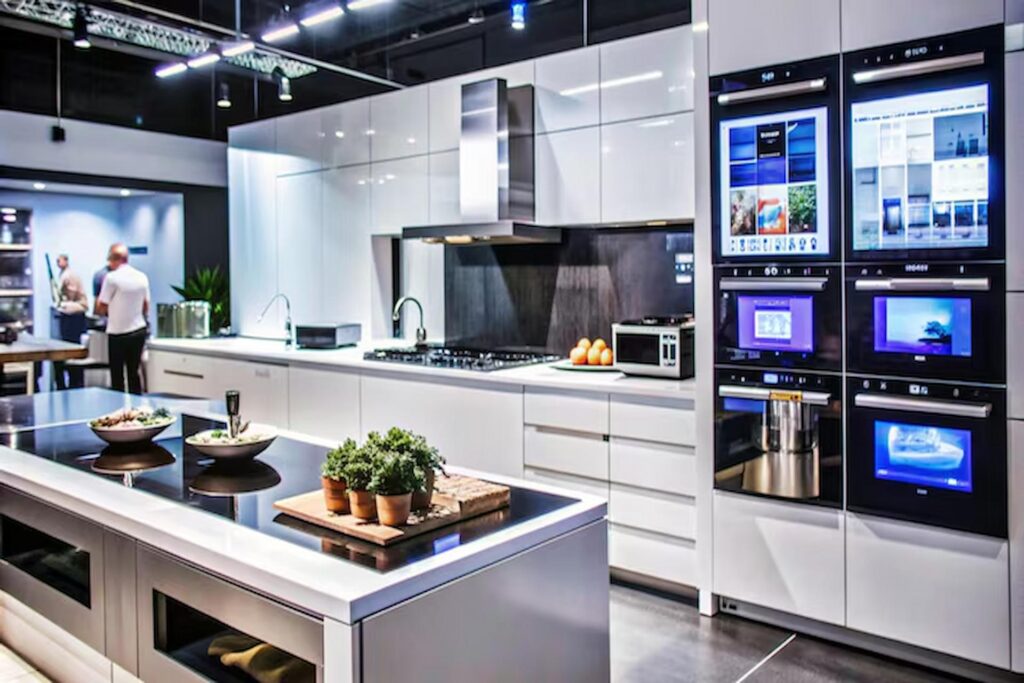

Modern kitchens are becoming more connected, efficient, and intelligent than ever before. Smart kitchen appliances are no longer futuristic gadgets reserved for luxury homes. They are now practical tools that help households save time, reduce energy waste, simplify meal preparation, and improve everyday convenience.
From refrigerators that track groceries to ovens controlled through mobile apps, connected kitchen technology is changing how people cook, organise, and manage their homes. These innovations are designed to make daily routines smoother while helping users create more personalized and efficient cooking experiences.
As smart home technology continues to evolve, more homeowners are exploring whether these devices genuinely improve daily life or simply add unnecessary complexity. Understanding how smart kitchen appliances work — and where they provide real value — helps consumers make smarter decisions when upgrading their kitchens.
What Are Smart Kitchen Appliances?
Smart kitchen appliances are internet-connected devices designed to automate, monitor, or improve cooking and kitchen management tasks. Most connect through Wi-Fi or Bluetooth and can be controlled using smartphone apps, touchscreens, or voice assistants.
Common examples include:
- Smart refrigerators
- Connected ovens and microwaves
- Smart coffee makers
- Wi-Fi-enabled dishwashers
- Voice-controlled kitchen assistants
- Smart air fryers and multicookers
- Intelligent lighting and temperature systems
These appliances often collect and share data to improve efficiency, provide alerts, or automate certain tasks.
How Smart Appliances Improve Everyday Cooking
One of the biggest reasons people adopt smart kitchen technology is convenience. Connected appliances simplify routine tasks and reduce the amount of manual monitoring needed during cooking.
Remote Cooking Control
Smart ovens and multicookers allow users to preheat, adjust temperatures, or monitor cooking progress remotely using mobile apps. This can be particularly useful for busy households managing tight schedules.
For example, users can start preheating the oven while travelling home from work or receive notifications when meals are finished cooking.
Guided Cooking Features
Many modern appliances now include guided recipes, automated cooking modes, and built-in sensors. These features help reduce cooking mistakes while improving consistency.
Smart ovens may automatically adjust temperature and cooking time depending on the dish being prepared. Some refrigerators can even suggest recipes based on available ingredients.
Better Meal Planning
Connected refrigerators with inventory tracking help households monitor food supplies more efficiently. Some systems send expiry alerts or shopping reminders, reducing food waste and improving organisation.
These features are especially useful for large families or people trying to manage grocery budgets more carefully.
Energy Efficiency and Cost Savings
Energy efficiency is one of the most practical advantages of smart kitchen appliances. Many devices are designed to optimize electricity and water usage automatically.
Smart dishwashers can detect load size and adjust water consumption accordingly. Connected refrigerators often include energy-saving modes, while smart ovens reduce unnecessary heating through more accurate temperature control.
Over time, these small improvements may help lower household utility costs while supporting more sustainable living habits.
Energy-monitoring features also allow homeowners to track appliance usage patterns, helping identify where electricity consumption can be reduced further.
Voice Control and Smart Home Integration
Voice assistants have become an important part of connected kitchens. Appliances integrated with systems like Google Assistant, Amazon Alexa, or Apple Home allow users to control devices hands-free.
Voice commands can help with:
- Setting timers
- Adjusting temperatures
- Starting coffee machines
- Managing shopping lists
- Playing recipes aloud
- Controlling lighting
Hands-free functionality is particularly useful while cooking, when touching screens or buttons may not be practical.
Smart kitchens also integrate with broader home automation systems, creating more connected living environments.
Are Smart Kitchen Appliances Easy to Use?
Ease of use is a major concern for many buyers, especially those less comfortable with technology. Fortunately, modern smart appliances have become far more user-friendly in recent years.
Most systems now focus on simple interfaces, intuitive apps, and straightforward setup processes. Many appliances also function normally even without advanced smart features enabled.
However, compatibility can still be important. Some devices work better within certain smart home ecosystems, so homeowners should check integration requirements before purchasing multiple connected products.
Reliable internet connectivity is also essential for getting the full benefit from smart functionality.
Maintenance and Security Considerations
While smart appliances offer convenience, they also introduce new maintenance and security considerations.
Software Updates
Connected devices often require software updates to improve performance, fix bugs, or strengthen security. Manufacturers usually handle updates automatically, but users should still monitor settings regularly.
Data Privacy
Because smart appliances collect usage data, privacy concerns are becoming increasingly important. Consumers should review manufacturer privacy policies and use secure passwords for connected devices.
Long-Term Reliability
As with any technology, smart appliances may eventually experience software compatibility issues or app support limitations. Choosing reputable manufacturers with strong long-term support can help reduce future problems.
Which Smart Kitchen Appliances Offer the Most Value?
Not every smart appliance delivers the same level of usefulness. Some features provide meaningful convenience, while others may feel unnecessary depending on lifestyle and cooking habits.
Generally, the most valuable smart kitchen upgrades include:
- Smart refrigerators with inventory management
- Wi-Fi-enabled ovens with remote control
- Smart dishwashers with energy optimisation
- Connected coffee makers with scheduling features
- Multifunction smart cookers
Households that cook regularly often benefit most from these technologies because they directly improve daily routines.
The Future of Smart Kitchens
Smart kitchen technology continues to evolve rapidly. Artificial intelligence, machine learning, and automation are expected to make future appliances even more adaptive and personalized.
Emerging innovations may include:
- AI-assisted meal preparation
- Predictive grocery management
- Advanced food freshness monitoring
- Greater energy optimization
- Improved appliance interoperability
As prices become more accessible, connected kitchens will likely become standard features in many modern homes.
FAQs
Q1. Are smart kitchen appliances worth buying?
Smart kitchen appliances can be worthwhile for households seeking convenience, energy efficiency, and better organization. Their value depends on cooking habits, lifestyle needs, and how often smart features are actually used.
Q2. Do smart kitchen appliances save energy?
Many smart appliances improve energy efficiency by optimizing electricity and water usage automatically. Features like scheduling, load detection, and precise temperature control can reduce unnecessary consumption.
Q3. Can smart kitchen appliances work without Wi-Fi?
Most smart kitchen appliances still perform basic functions without Wi-Fi. However, remote access, automation, app controls, and voice assistant features may become unavailable offline.
Q4. Are smart kitchen appliances difficult to maintain?
Smart appliances generally require similar physical maintenance to traditional models but may also need occasional software updates and app management for optimal performance and security.
Q5. What is the most useful smart kitchen appliance?
Smart ovens and refrigerators are often considered the most useful because they improve cooking convenience, meal planning, food management, and household organisation in practical everyday ways.
Wrapping Up
Smart kitchen appliances are transforming everyday cooking by combining convenience, efficiency, automation, and modern connectivity. From remote-controlled ovens to intelligent refrigerators, these devices help simplify household routines while improving organization and energy management.
The most effective smart kitchen technology focuses on solving practical problems rather than adding unnecessary complexity. When chosen carefully, connected appliances can save time, reduce waste, improve cooking consistency, and create more adaptable living spaces.
As smart home technology continues to advance, kitchens are becoming more intelligent, responsive, and personalized. For many households, investing in practical connected appliances is no longer about novelty — it is about creating a more efficient and enjoyable everyday experience.